Xiaomi companion app, U.S. localization
U.S. localization of Xiaomi's consumer hardware companion app, through er studio.
- Company
- Xiaomi · er studio
- Role
- Co-founder & product manager, er studio
- Timeline
- 2019 – 2023
- Type
- Feature
TL;DR
- Problem
- One of my er studio projects: the U.S. localization of Xiaomi's consumer hardware companion app.
- What I did
- What U.S. owners expect from the app that runs Xiaomi's hardware is not what owners expect elsewhere, and that gap is what a localization has to close.
Context & problem
Xiaomi makes consumer hardware, and its companion app is where an owner sets up and controls it. One of my er studio projects was the U.S. localization of that app.
The expectations an owner brings to the app that runs the device differ by market, and closing that gap is what a localization is for.
Discovery & insight
I treat localization as more than translation. The questions I start from are what a U.S. owner expects to see, in what words, at each point where the app stands between them and the device. For a companion app, anything that reads as translated is a trust problem, because the app is the owner’s main way into the hardware.
Strategy & bets
Every localization has to settle how far to move away from the global app: far enough that it reads as made for the market, close enough that it can keep up with the global product. My bias is to adapt what owners read and expect, and to leave how the device behaves alone.
Solution
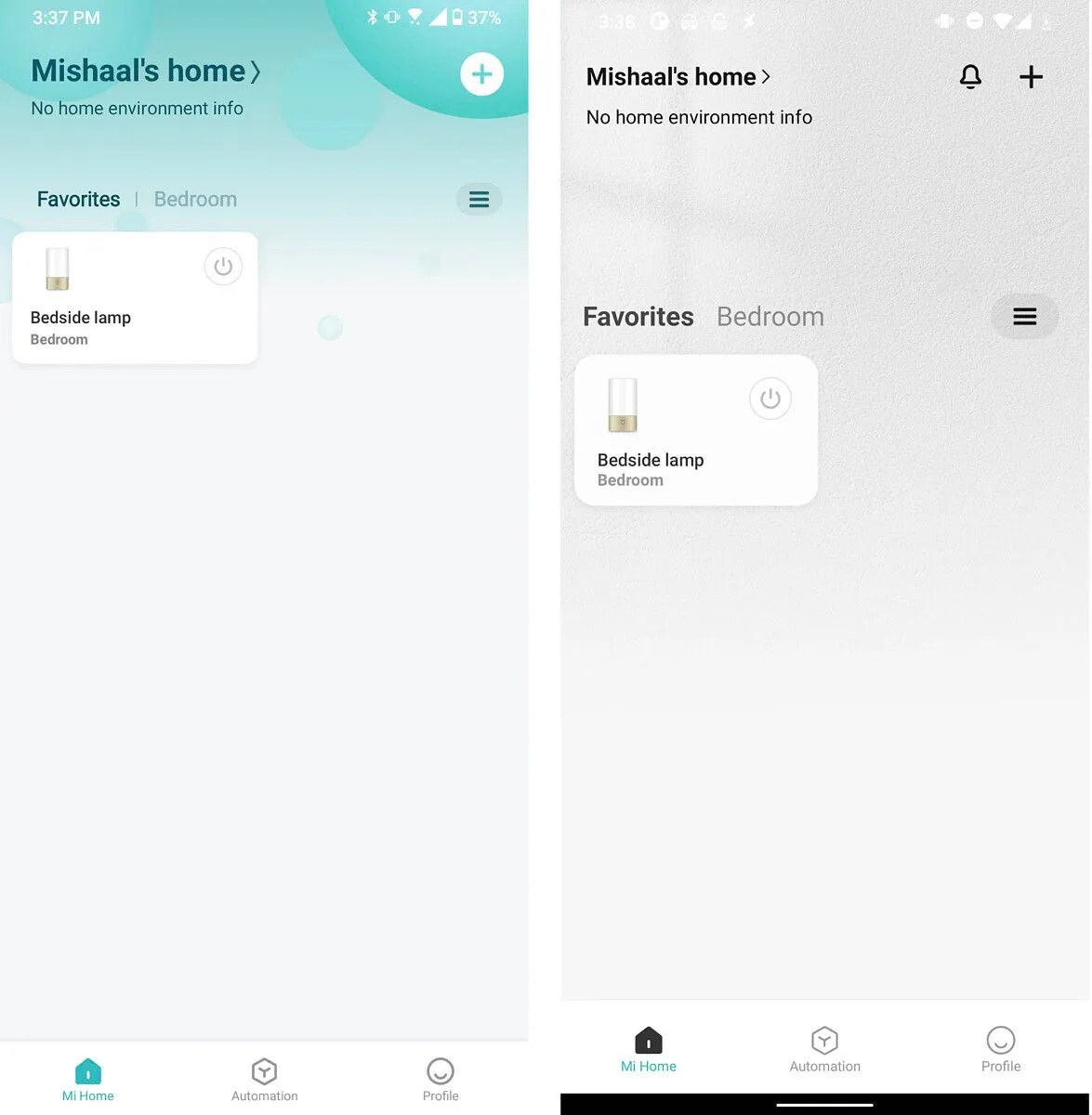
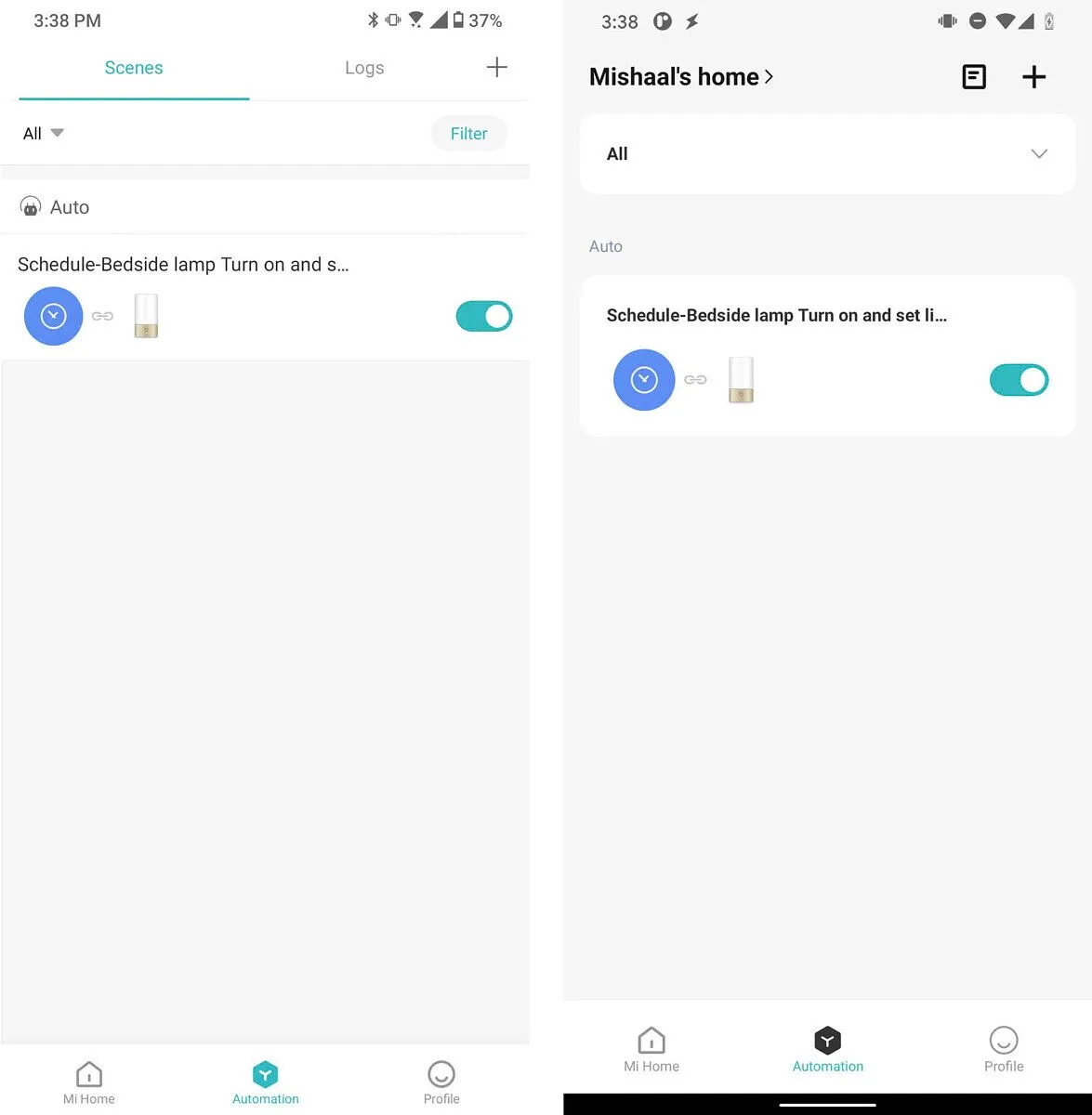
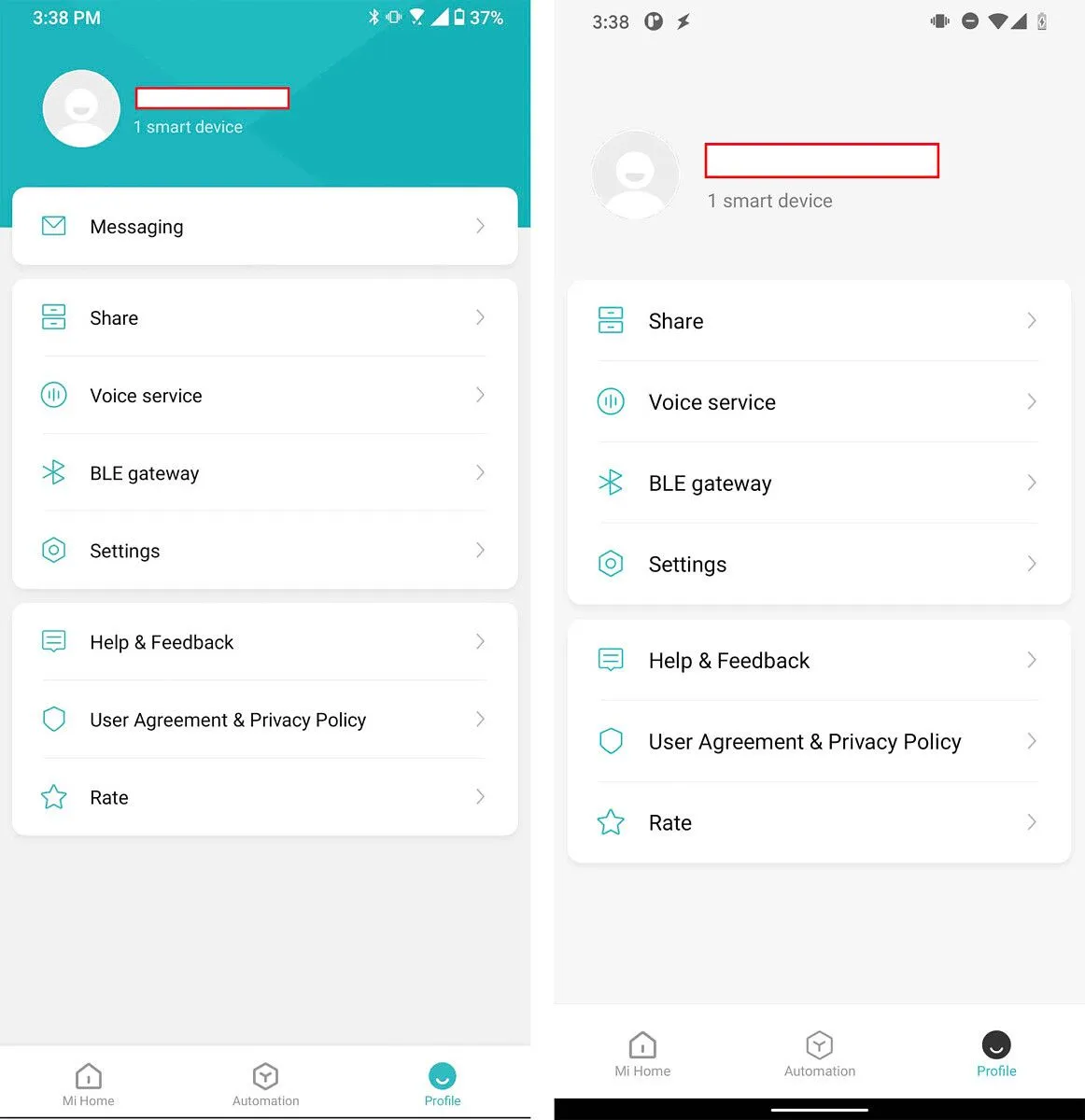
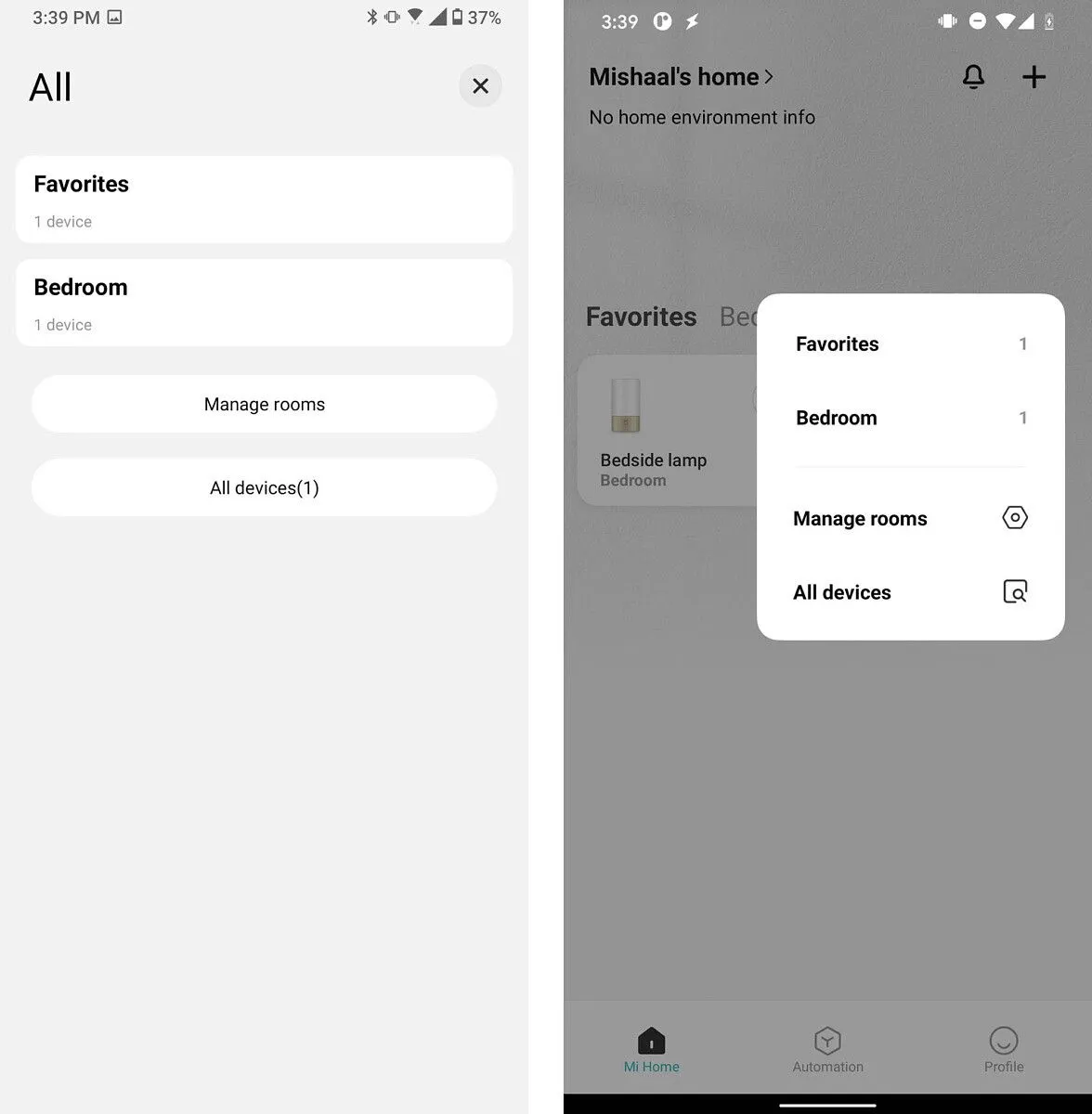
The app is organized around a home dashboard, a device list, rooms, scheduled automations and device sharing. The public screens below show it before and after a redesign, so the product is recognizable.
Execution
er studio, the studio I co-founded, was part-time and advisory, alongside my roles at Microsoft and Dow Jones. Xiaomi’s U.S. localization was one of my projects there.
Validation & results
The signals I judge a companion-app localization by are whether new U.S. owners get their first device connected and keep using the app afterwards. Those are the moments where an app that feels imported loses people.
Reflection
Localization makes a product’s defaults visible. Every unit, format, setup step and error message was chosen for someone, and working on a U.S. version is a good way to learn to read them that way.