Soul, Korea market version
Adapted the interest-based matching and community mechanics of a 100M+ registered-user social app for its Korea market version.
- Company
- Soul · er studio
- Role
- Co-founder & product manager, er studio
- Timeline
- 2019 – 2023
- Type
- Feature
TL;DR
- Problem
- Soul is a Gen-Z social app with 100M+ registered users overall, built on interest-based matching and community mechanics.
- What I did
- Through er studio, I adapted the interest-based matching and the community mechanics for Soul's Korea market version.
Context & problem
Soul is a Gen-Z social app with 100M+ registered users overall, built on interest-based matching and community mechanics. For its Korea market version, I adapted the matching and the community mechanics.
The question for a market version is how much of that social model carries across: matching people on interests and personality has to make sense to a new audience before anything else does.
Discovery & insight
I approached it from the mechanics outward. How people get matched, and which communities they land in, are what make Soul feel like Soul, so that is where a market version works or doesn’t.
Strategy & bets
The bet was to adapt what Soul already had, the interest-based matching and the community mechanics, and change how they meet a Korean user. Language matters, but the matching and the communities are where the product’s character lives.
Solution
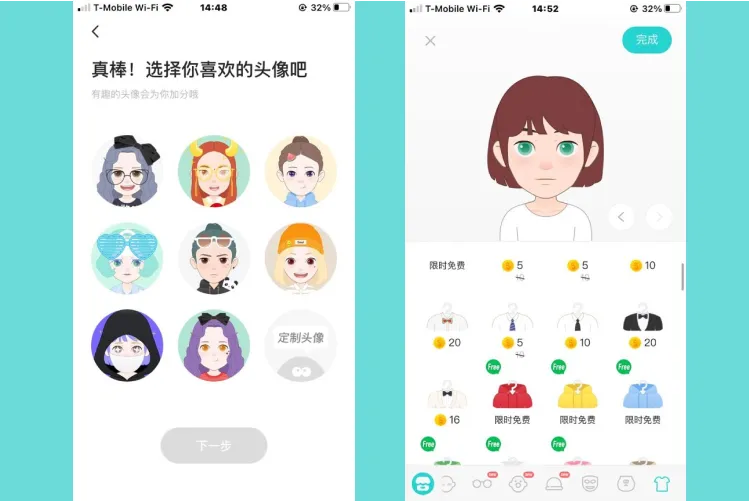
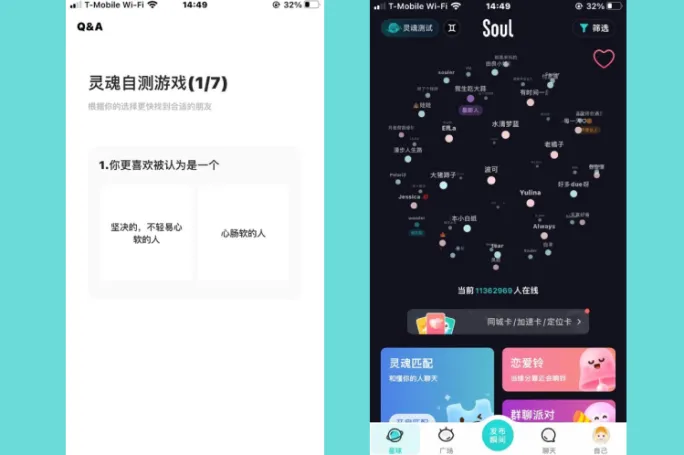
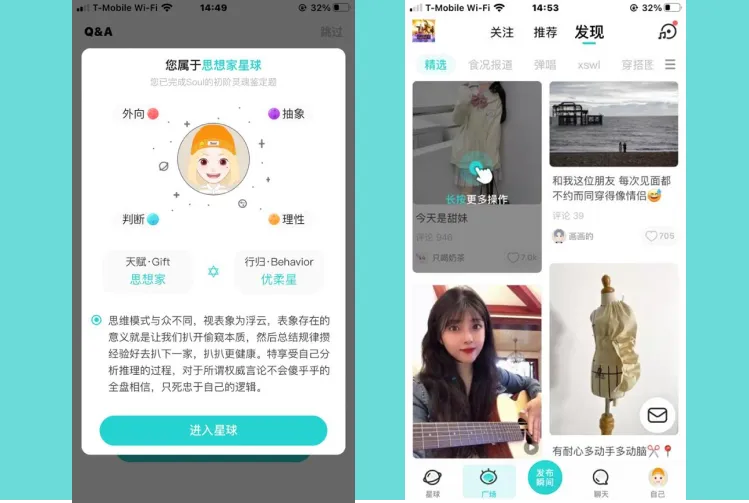
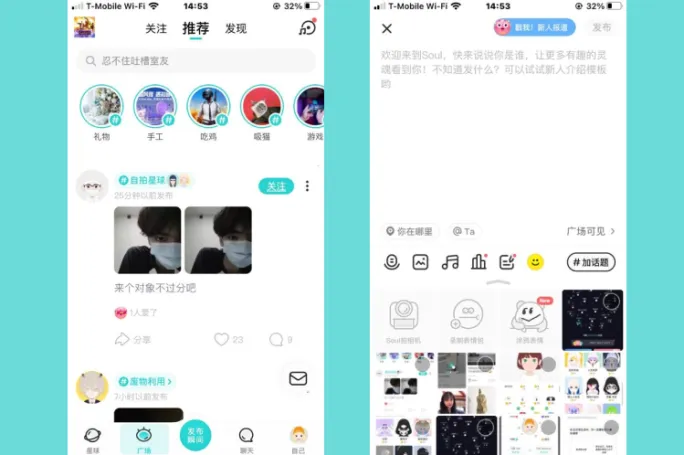
The images below show the mechanics the Korea version started from, in Soul’s public app: an avatar as your identity, a personality quiz, the “planet” that groups people with similar answers, and a feed organized around interest circles. They come from a public write-up of the app in China.
Execution
er studio, the studio I co-founded, was part-time and advisory, alongside my roles at Microsoft and Dow Jones. Soul’s Korea market version was one of my projects there.
Validation & results
For a matching app entering a new market, the signals I judge the work by are whether new users finish onboarding, get a match they reply to, and come back to their communities. To me, a match counts when it turns into a conversation.
Reflection
Soul taught me to treat matching rules and community structure as part of localization, alongside language. Who you get matched with, and which communities you see first, decide whether an app feels like it was made for you.